
Headache Relief in Mahopac
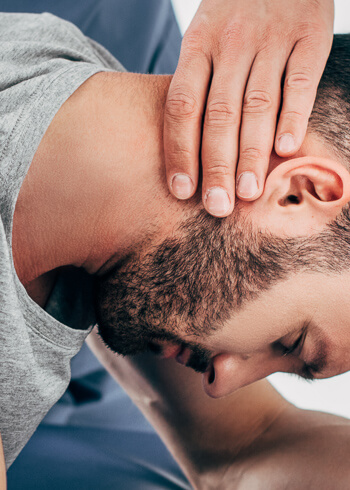
Headaches are one of the most common reasons people seek healthcare, but that doesn’t mean they’re something you just have to live with. For a lot of people, headaches become part of the routine: keeping medication close by, avoiding certain activities, hoping the pain passes on its own.
Dr. Jodi Kennedy takes a different approach. Instead of focusing only on where the pain shows up, she looks at how your nervous system, spine, muscles, posture, lifestyle, and overall health might be feeding into it.
Through chiropractic care, Applied Kinesiology, and a whole-body approach, Dr. Kennedy works with patients in Mahopac to uncover what’s actually influencing their symptoms and support better balance throughout the body.
Headaches Can Have More Than One Cause
A headache develops when pain-sensitive structures in the head, neck, or surrounding tissues get irritated. Headaches are common, but the reasons behind them look different from person to person.
Some people get occasional tension after a stressful week. Others deal with headaches that interfere with work, exercise, sleep, or family life. Figuring out what type of headache you’re dealing with is usually the first step toward understanding what’s causing it.
Common headache types include:
- Tension headaches, often associated with muscle tightness and postural strain
- Cervicogenic headaches that originate from dysfunction in the neck
- Migraines, which may involve throbbing pain, nausea, or sensitivity to light and sound
- Stress-related headaches that develop as the body responds to ongoing physical or emotional stress
Looking Beyond Where It Hurts
Headaches don’t always start in the head, even though that’s where most people assume the problem lives. The muscles, joints, and nerves of the neck share close neurological connections with the head. That’s why restrictions in the cervical spine or persistent muscle tension can contribute to certain types of headaches.
Dr. Kennedy also looks at how several factors might be working together: posture, past injuries, sleep quality, nutrition, hydration, hormonal changes, and how well your body adapts to physical, chemical, and emotional stress.
Rather than chasing one single cause, she evaluates how these pieces fit together to understand why your headaches are happening.
What Your Headache Pattern May Reveal
The body works as an interconnected system. When one area isn’t moving or functioning the way it should, other areas end up compensating. Over time, that compensation strains muscles, joints, and the nervous system.
That’s why Dr. Kennedy’s evaluation goes beyond wherever it hurts. She looks at spinal function, muscle balance, movement patterns, posture, and other pieces that shape how your body works as a whole.
Zooming out like this often reveals patterns that get missed when the focus stays too narrow.
Combining Chiropractic Care With Applied Kinesiology
Alongside a chiropractic exam, Dr. Kennedy uses Applied Kinesiology (AK), a system of functional muscle testing that provides additional insight into how your body’s systems work together. Combined with your health history and exam findings, it shapes recommendations built specifically around you.
The goal isn’t just managing recurring headaches. It’s helping your body function more efficiently and move better over time.
A Different Approach to Headache Care
People coming in for headaches often mention other issues as well: neck discomfort, jaw tension, fatigue, digestive issues, and recurring muscle tightness. These might seem unrelated. Often, they’re part of the same broader pattern in how the body functions.
Dr. Kennedy takes the time to understand your full health picture, so her recommendations reflect more than just one symptom. The goal is better overall function, not just fewer headaches.

Meet Dr. Jodi Kennedy
Dr. Jodi Kennedy is a Doctor of Chiropractic, a Certified Professional Applied Kinesiologist (PAK), and accredited in Nutritional Response Testing®. Her approach centers on understanding each patient as an individual, since recurring symptoms usually have more than one contributing factor. Combining chiropractic care with Applied Kinesiology and a whole-body philosophy, she helps patients understand how their bodies are functioning and what might be influencing their health.
Start Looking Beyond Recurring Headaches
Recurring headaches shouldn’t keep you from work, family, or the things you actually want to be doing. If you’re ready to understand what’s contributing to yours, Dr. Jodi Kennedy is here to help.
Schedule an evaluation to learn how chiropractic care and Applied Kinesiology can help you move toward better function and lasting wellness.
Frequently Asked Questions
Can chiropractic care help with headaches?
Can neck problems cause headaches?
Can stress contribute to headaches?
What makes Applied Kinesiology different from traditional chiropractic care?